
As an avid fly fisher, I know the importance of having the right gear when hitting the water. Attaching running line to fly line correctly is crucial for an effective fishing experience. Understanding how to do this, along with the right knots to use, can make all the difference, especially when targeting species like trout or pursuing saltwater adventures.
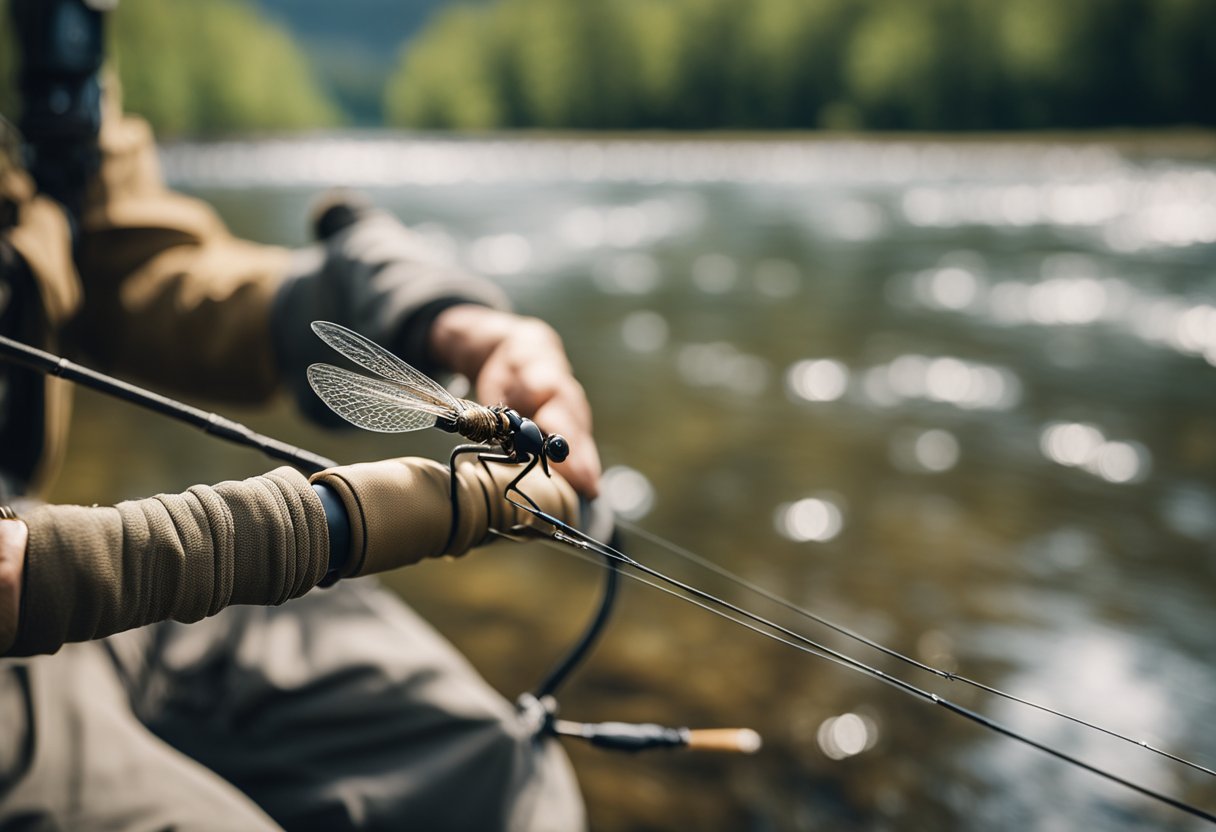
When starting with running line fly fishing, I remember feeling overwhelmed by all the options. Learning the best running line for saltwater fly fishing ensures that my setup can handle the environment and the fish I’m after. With the right techniques and equipment, I can enhance my angling skills and increase my chances of success on the water.
The choice of knots can significantly impact your fly fishing performance. By mastering specific knots designed for attaching running lines, I’ve found that my connection to the fly line remains strong, allowing for better casting and presentation. This knowledge is invaluable for those starting their fly fishing journey or looking to improve their current techniques.
Essentials of Fly Fishing
In fly fishing, understanding the key components, such as the fly line and backing, is crucial for success. Selecting the right fly line can significantly improve casting and presentation in various fishing scenarios.
Understanding Fly Line and Backing
The fly line serves as the primary connection between you and the fish. It is typically made from materials like PVC or nylon, offering flexibility and strength. Fly lines come in different weights and tapers, allowing for adaptability in various fishing conditions.
Backing, usually made of Dacron, adds important length to the line and supports the main line. It is attached to the reel by a simple loop connection, ensuring smooth retrieval during a catch. The backing should have a breaking strength sufficient to handle large fish, often rated at 20-30 lbs.
Selecting the Right Fly Line
Choosing the appropriate fly line involves considering the type of fishing you’ll be doing. For nymph fishing or dry flies, I often prefer a weight-forward line for better roll cast efficiency. It allows me to present the fly with precision.
Alternatively, for saltwater fishing, a heavier line is essential to withstand wind and larger species. Pay attention to the taper design; a scientific taper can assist in delicate presentations while a shooting taper can enhance distance. The right combination of leader and tippet also plays a vital role in achieving my fishing goals.
Connection Techniques for Fly Line and Running Line
Properly connecting the running line to the fly line is crucial for efficient casting and effective fishing. Understanding the techniques and knots can enhance your performance on the water.
Attaching Running Line to Fly Line
The most common method I use to connect the running line to the fly line is the loop-to-loop connection. This method involves creating a loop in the running line and then sliding it over the loop at the end of the fly line. It provides a strong connection and allows for easy line changes.
Another effective method is the nail knot, which I prefer for its low profile. To tie a nail knot, I wrap the running line around the fly line multiple times, then pass the tag end through the coil before pulling it tight. This knot minimizes bulk and facilitates smooth line passage through the guides.
Knots for Secure Attachment
Several knots can ensure a secure attachment between the running line and fly line. The Albright knot is recognized for its strength when connecting lines of different diameters. I typically tie it by forming a loop with the thicker line and wrapping the thinner line around it several times.
The blood knot is another option, especially for connecting two lines of similar diameter. I find it easy to tie: I overlap the two lines and wrap each end around the other line multiple times, then pull tight for a secure hold. Each of these knots serves a purpose, depending on the lines I use and the conditions I encounter.
Advanced Considerations for Fly Line Setup
When setting up fly lines, specific factors can greatly affect performance, especially in saltwater conditions. I prioritize techniques and materials that enhance my setup for improved casting and presentation, as well as the right knots for secure connections.
Optimizing for Saltwater Conditions
In saltwater fishing, I choose a running line that can withstand corrosive environments. A braided line designed for saltwater use is ideal due to its durability and low stretch, leading to better hook sets.
I also pay attention to the diameter and coating of the running line. A thinner line reduces water resistance, improving casting distance. The coating should be smooth, allowing it to glide through guides effortlessly. I often use lines that are formulated to handle the abrasive nature of saltwater, ensuring longevity.
Knot Selection for Maximum Performance
Choosing the right knots is crucial for reliability. I favor the Bimini Twist for creating a strong double line, useful when attaching a leader. It offers high strength and maintains knot integrity under stress.
For attaching the running line to the fly line, I often use a Duncan Loop or Perfection Loop. These knots retain flexibility and strength, allowing for better line management and preventing tangling. I also recommend the needle knot to secure the leader to the running line. Its streamlined profile aids in smoother casting, especially in windy conditions. Each knot should be carefully tied and tested for reliability before heading out.
