
When it comes to fly fishing, choosing the right loop connector can significantly impact your success on the water. Selecting the best loop connectors for both freshwater and saltwater fishing ensures a reliable connection between your fly line and flies, allowing for smooth casting and improved performance. With brands offering various options tailored for specific conditions, it’s essential to know which loop connector suits your style and target species.
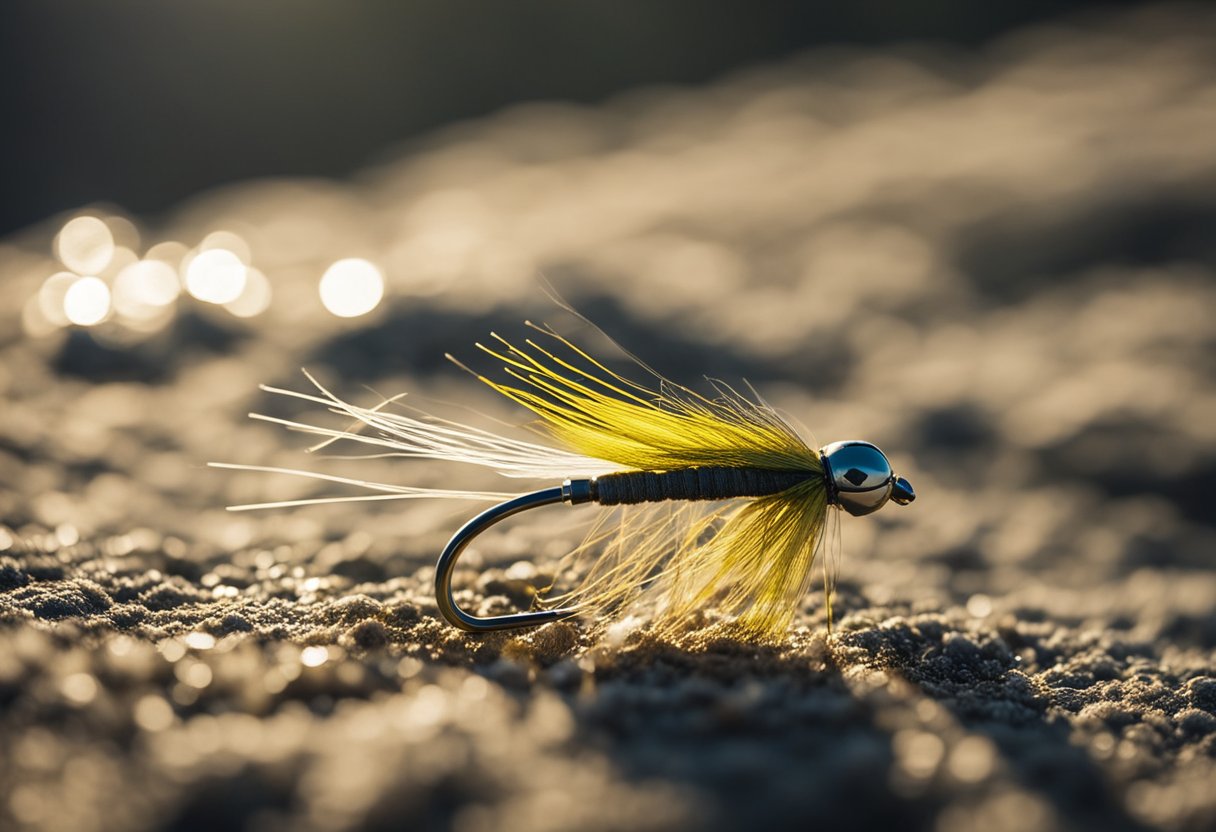
While fly fishing for trout, a reliable loop connector can enhance your presentation and ensure that your flies perform optimally. In saltwater fly fishing, durability becomes paramount, and the right connector can withstand harsher conditions while maintaining the integrity of your setup. Understanding the differences among various loop connector brands can help me make informed choices based on my fishing environment.
In this article, I will explore top loop connector options that cater to different fishing scenarios, whether I’m chasing trout in freshwater or targeting larger species in saltwater. By focusing on performance and reliability, I aim to provide insights that will elevate my fishing experience and improve my success rates.
Fly Line Basics
Understanding the aspects of fly lines is essential for any angler. I will cover the different types of taper designs, the importance of selecting the right fly line weight, and the relationship between backing, leader, and tippet.
Understanding Fly Lines
Fly lines are crucial for delivering flies to fish. They come in various weights, styles, and coatings, which impact performance. The main components of a fly line include the core, which influences strength and sensitivity, and the coating, which affects buoyancy and durability.
Types of Fly Lines:
- Floating Lines: Most versatile; suitable for a variety of conditions.
- Sinking Lines: Useful in deeper waters or for specific species.
- Intermediate Lines: Sink slowly; ideal for presentation at mid-depth.
The choice of backing, typically 30lb or 50lb, complements the fly line, providing necessary strength during a catch.
Fly Line Taper Designs
Taper determines how the line behaves during casting and retrieval. It affects casting distance, accuracy, and fly presentation.
Common Taper Designs:
- Weight Forward (WF): Heavier front section allows easier casting, ideal for windy conditions.
- Double Taper (DT): Symmetrical design offers versatility and a smooth presentation; good for delicate presentations.
- Shooting Head: Short, heavy front; designed for long-distance casting and specific techniques.
Understanding these tapers helps me match the right line to my fishing style.
Selecting the Right Fly Line Weight
Choosing the appropriate fly line weight is vital for successful fishing. The weight of the line should correspond to the rod and reel setup to ensure balance.
Weight Classes:
- Lightweight (1-3): Best for small streams and targeting species like trout.
- Medium (4-6): Versatile range, suitable for freshwater and light saltwater.
- Heavy (7-12): Ideal for larger species and conditions, often in saltwater situations.
I always match my leader and tippet to the fly line weight, ensuring the setup is suitable for the fish I’m targeting and the conditions I’m facing.
Fly Fishing Loop Connectors
I find loop connectors essential for effective fly fishing, providing a reliable way to attach leaders and tippets to fly lines. Understanding the types best suited for different fishing conditions can enhance the experience.
Types of Loop Connectors
Loop connectors come in various styles, each serving a specific purpose. Common types include welded loops, which are seamless and provide a strong connection without adding bulk. They are ideal for quick changes in flies or leaders. Another option is the braided loop connector; this type features a woven design that offers flexibility and durability.
I also use leader loops, which create a loop at the end of a leader for easy attachment. The loop-to-loop connection is popular for joining a fly line to the leader, ensuring a strong hold. Additionally, using a nail knot or Albright knot to secure these connectors adds strength and reliability.
Attaching Loop Connectors
Attaching loop connectors can be straightforward. For a braided loop connector, I slide it onto the fly line, ensuring it’s tightly secured. A common technique is to use super glue to enhance the hold, ensuring the connector doesn’t slip.
For leader loops, I often tie them directly to the end of the leader line, creating a functional loop. For the loop-to-loop approach, I simply pass the end of the leader through the fly line loop and tie a knot if needed. This method provides flexibility for quick changes and reduces the chance of line twists.
Braided Loop Connectors Advantages
The advantages of braided loop connectors are numerous. Their construction allows for a flexible yet strong connection, making them less prone to failure under strain. Being lightweight, they do not weigh down the line during casts, ensuring smooth performance.
I find they allow easy attachment and detachment, perfect for changing conditions or fish species. Their design helps minimize knots, which can create weak points in the line. Durable and resistant to abrasion, I trust braided loop connectors for both freshwater and saltwater fly fishing scenarios, providing versatility and reliability.
Targeted Fly Fishing Loop Connectors
Selecting the right loop connectors can significantly enhance your fly fishing experience across different environments. Each type serves specific purposes, whether targeting trout, saltwater species, or freshwater bass and salmon.
Loop Connectors for Trout Fishing
When targeting trout, I prefer using braided loop connectors. These connectors are durable and provide a seamless transition from the fly line to the leader. They minimize water resistance and allow for better line control.
Welded loops are another excellent choice. They provide a strong bond and are less likely to slip compared to traditional knots. I find that these loops help in effectively presenting delicate flies without spooking the fish.
Popular brands like RIO and Airflo offer quality options that cater specifically to trout anglers. Their products are designed for reliability, ensuring my setup remains intact during long fishing sessions.
Saltwater Fly Fishing Connectors
For saltwater fly fishing, I focus on connectors that can withstand harsher conditions. Welded loops are essential here, as they minimize tangling and can handle larger, stronger fish like tarpon or permit.
I often rely on connectors with a high breaking strength. This is critical when battling aggressive species that can put significant pressure on tackle. Brands such as Scientific Anglers and Orvis produce loop connectors specifically designed for these scenarios.
When choosing loop connectors for saltwater, durability and corrosion resistance are key. Options made from high-quality materials prevent wear and tear, enhancing my fishing success.
Freshwater Loop Connectors for Bass and Salmon
For bass and salmon fishing, I recommend loop connectors that provide a balance between strength and sensitivity. Braided loops work well here, allowing me to feel subtle bites while maintaining the strength needed for larger species.
Using connectors with a robust leader butt ensures that I have the necessary power when reeling in a catch. Brands like P-Line offer reliable options that suit these freshwater species.
Choosing connectors that can handle the pressure of aggressive strikes is critical. I look for those specifically designed for freshwater applications, ensuring that my setup can withstand the demands of bass or salmon fishing.
