
Fly fishing requires a keen understanding of various components, particularly the fly line and leader system. A crucial part of this system is the tippet, which connects the fly to the leader. Understanding what a tippet is and how to attach it effectively can significantly enhance your fly fishing experience.
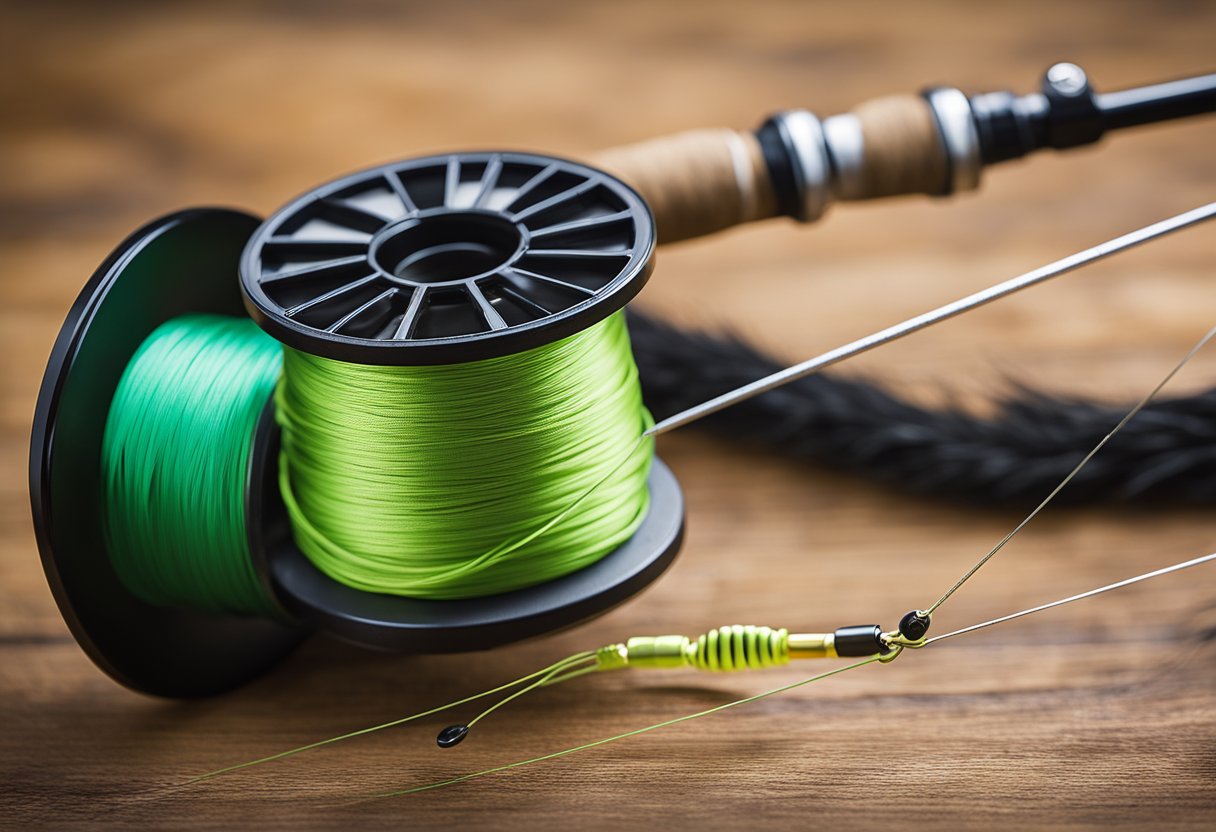
When I prepare for a day on the water, I pay close attention to my tippet choice. I often find myself weighing the benefits of fluorocarbon versus nylon tippet, as each material offers unique advantages. Choosing the best fluorocarbon tippet for fly fishing can improve my catch rate by providing less visibility in the water and increased abrasion resistance.
Whether I am new to the sport or a seasoned angler, mastering these techniques can elevate my fly fishing game. Knowing how to properly attach tippet to leader and selecting the right materials not only boosts confidence but also ensures a more successful and enjoyable outing.
Understanding Tippet and Its Role in Fly Fishing
In fly fishing, tippet is an essential component that connects the fly to the leader. Its properties, such as diameter and breaking strength, directly influence fishing success. Choosing the right tippet material is crucial for effective presentation and fish retention.
What Is a Tippet in Fly Fishing
A tippet is a short length of line that attaches to the end of the leader and serves as the last segment before the fly. The primary purpose is to provide a fine point of attachment that minimizes visibility to fish. I often select a tippet with a smaller diameter for clear water conditions, where fish may be more cautious.
The typical length of a tippet ranges from 2 to 3 feet, although it can vary based on fishing conditions and target species. Tippets are measured by diameter, typically expressed in either millimeters or pounds of breaking strength. The right choice allows for precise control over how the fly behaves in the water.
Materials and Properties of Tippet
Tippets are commonly made from either nylon or fluorocarbon materials. Each has unique properties that make them suitable for different situations.
Nylon tippet is known for its suppleness and good knot strength. It typically offers decent abrasion resistance, making it effective in various environments.
Fluorocarbon tippet is less visible underwater, which can be advantageous in clear waters. It has superior abrasion resistance and a higher density that helps it sink faster.
When selecting a tippet material, consider its diameter, breaking strength, and how it will perform in your specific fishing scenario. The right tippet can significantly affect your success rate on the water.
Connecting the Pieces: Attaching Tippet to Leader
Attaching tippet to leader is a crucial task in fly fishing. This connection ensures that the fly is presented correctly and maintains strength against varied fish species. In this section, I will outline the methods and important aspects of this connection.
How to Attach Tippet to Leader
To attach the tippet to the leader, I often use the nail knot. This knot is secure and ideal for joining two lines. Here’s a simple process:
- Overlap the Lines: Place the tippet and leader side by side, with about six inches overlapping.
- Wrap the Tippet: Make 5–7 tight wraps of the tippet around the leader, starting from the top and moving downwards.
- Thread the End: After wrapping, take the end of the tippet and thread it through the loop that forms near the leader.
- https://kylebooker.com/collections/lineMoisten and Tighten: It’s essential to moisten the knot before pulling it tight to prevent friction damage. Trim the excess line, and the connection is ready.
Knots and Connections
In addition to the nail knot, I sometimes use the double surgeon’s knot for attaching tippet, especially if I need to connect two tippet lines of different diameters. This knot is simple and effective.
- Double Surgeon’s Knot Steps:
- Create a loop with the tippet and leader overlapping.
- Pass the end of the tippet through the loop twice.
- Pull both ends to tighten while keeping tension on the loop.
Using fluorocarbon tippet material, which is denser and sinks faster, can enhance my presentations. Mono tippet offers greater visibility but may be less durable. Choosing between them depends on fishing conditions and target species. Always ensure a strong connection for better performance on the water.
Selecting Tippet Material: Fluorocarbon Versus Nylon
When choosing tippet material, understanding the differences between fluorocarbon and nylon is crucial. Each material has unique properties that can affect the success of your fishing experience.
Fluorocarbon Versus Nylon Tippet
Fluorocarbon tippets are nearly invisible underwater due to their light refraction properties. This feature can be beneficial when fishing in clear water, as it makes it harder for fish to detect the line. Fluoro is also more abrasion-resistant than nylon, providing added durability in rocky or heavy cover conditions.
In contrast, nylon tippets are more elastic and generally offer better knot strength. This elasticity can absorb shocks and increase the likelihood of successfully landing fish. Nylon tends to be more affordable and is widely available, making it suitable for various fishing scenarios.
Best Fluorocarbon Tippets for Fly Fishing
When selecting fluorocarbon tippets, I focus on brands known for quality and performance. Some of my top choices include:
- Rio Fluoroflex: Known for high knot strength and excellent transparency.
- Seaguar Tatsu: Features a unique copolymer blend that enhances performance and sensitivity.
- Orvis Hydros: Offers a good balance of strength and casting ability.
These fluorocarbon tippets excel in low visibility conditions and provide the durability I need when fishing in diverse environments. Their superior performance justifies the investment, especially when targeting species that are easily spooked.
Fishing Techniques and Tippet Selection
Selecting the right tippet is crucial to effectively targeting different species. I consider several factors, including species behavior and water conditions, when choosing my tippet. Here, I will explore tippet selection for trout fishing and the use of heavy-duty tippet for tarpon.
Tippet Selection for Trout Fishing
When I fish for trout, I often choose lighter tippets, typically ranging from 5X to 7X. The rationale is that trout can be wary. Using a lighter tippet helps present the fly more naturally and reduces visibility.
In clear water or during low-light conditions, I prefer fluorocarbon tippet because of its invisibility underwater. In more challenging conditions, such as when fishing in heavy cover, a nylon tippet offers more abrasion resistance.
Key Points:
- Light tippets: 5X to 7X
- Fluorocarbon for clarity
- Nylon for heavy cover
Heavy-Duty Tippet for Tarpon
Fishing for tarpon requires a different strategy due to their size and strength. I typically use much heavier tippets, such as 60 to 100-pound test, depending on the environment.
Mono or fluorocarbon can be effective. Fluorocarbon offers more sensitivity for detecting bites, while nylon may provide better knot strength.
Important Considerations:
- Tippets: 60 to 100-pound test
- Fluorocarbon for sensitivity
- Nylon for knot strength and durability
