
In my experience, mastering the nuances of shooting line can dramatically enhance your fly fishing game. Understanding the right shooting line and knots not only improves casting efficiency but also increases your chances of landing that prized catch. Whether you’re targeting salmon or exploring saltwater environments, choosing the best shooting line tailored to your fishing conditions is essential.
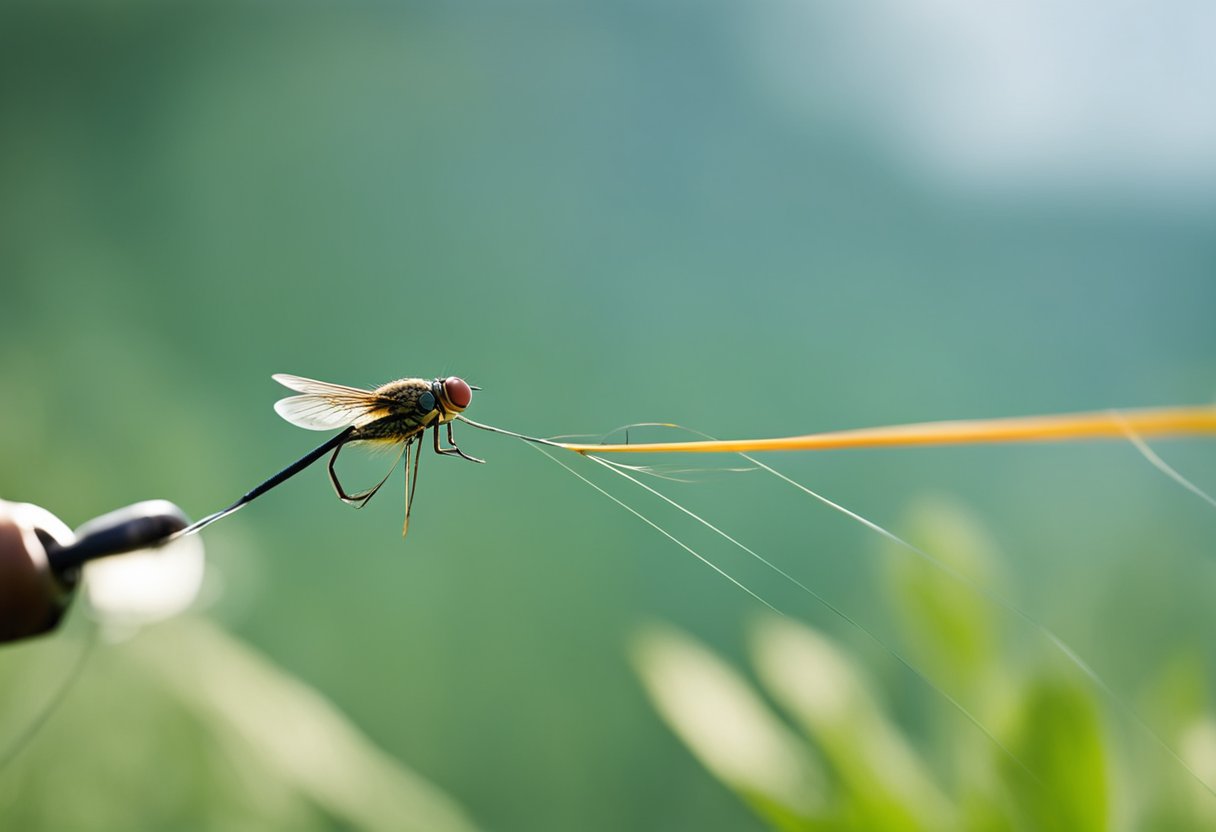
One critical aspect to consider is the difference between shooting lines and traditional fly lines. Shooting lines, which typically consist of a thin running line and backing, allow for longer casts and quicker retrieves. I’ve found that using the appropriate knots for connecting these lines can significantly impact performance, especially in powerful saltwater settings where precision is key.
Ultimately, the effectiveness of shooting line in fly fishing lies in its versatility. I’ve used specific shooting lines that cater to different species like salmon and various environments, ensuring I’m equipped for success on each outing. With the right setup, I can focus more on enjoying the experience rather than worrying about gear limitations.
Fly Line Fundamentals
Understanding fly line is crucial for effective casting and presentation. I’ll discuss the types of fly lines you can use and the importance of line tapers in achieving the best results on the water.
Types of Fly Lines
There are several types of fly lines, each designed for specific conditions and techniques. The main categories include:
- Floating Line: Sits on the surface, great for topwater presentations.
- Sinking Line: Submerges to varying depths, useful in deeper waters.
- Intermediate Line: Sinks slowly, ideal for presenting flies just below the surface.
Each type varies in taper, length, and diameter. For example, a floating line allows for easier short casts, while a sinking line provides access to fish that are deeper. Understanding these options helps match my gear to the fishing environment.
Understanding Line Tapers
Line taper refers to how the diameter of the line changes from the tip to the running line. Several common tapers include:
- Weight Forward (WF): Heavier front, ideal for distance casting.
- Double Taper (DT): Symmetrical shape, excellent for delicate presentations.
- Level Taper: Uniform diameter, useful for specific conditions.
The right taper influences casting distance, accuracy, and the ability to control the fly. A weight forward taper might be my go-to for rolling out long casts, while I may choose a double taper for situations requiring more finesse. The color of the line can also affect visibility to fish and onlookers.
Shooting Line Techniques
I find that mastering shooting line techniques is essential for effective fly fishing. Key elements include understanding the right knots and optimizing shooting heads to improve casting distance.
Shooting Line for Beginners
As a beginner, choosing the right shooting line can significantly enhance my casting performance. A shooting line made from materials like nylon or spectra provides optimal slickness for easy casting.
I prefer a thinner line for long-distance casts, typically in a diameter of 0.020 to 0.030 inches. This helps reduce air resistance and improves my casting efficiency.
Additionally, I often use a welded loop at the end of the shooting line. This feature allows for quick and easy connections between the shooting line and shooting head, minimizing the hassle on the water.
Knots for Efficient Shooting
When connecting my shooting line to the fly line or backing, using strong and reliable knots is crucial. The uni knot is a great choice because it is strong and easy to tie.
For attaching the shooting line to a shooting head, the nail knot is highly effective. It provides a sleek transition that helps maintain casting integrity.
The clinch knot works well for attaching flies or terminal tackle. I make sure to wet the knot before tightening to avoid friction damage.
Shooting Head Optimization
Optimizing my shooting head involves selecting the ideal weight and taper. A heavier front taper allows for better long-distance casting and smoother turnover.
I often pair a shooting head that matches my casting style. For example, a shorter head is beneficial for quick, precise casts, while a longer head aids in distance.
Adjusting the leader length also plays a role in my success. A longer leader can improve my presentation in still water, while a shorter one can enhance accuracy during windy conditions.
Technical Specifications and Gear Choices
Selecting the right gear and technical specifications is crucial for effective shooting line fly fishing. Understanding the characteristics of the shooting line and its attachment to backing plays a key role in ensuring success on the water.
Selecting the Best Shooting Line for Conditions
When choosing a shooting line, I consider the fishing conditions and target species. For saltwater fly fishing, I prefer a braided nylon line due to its strength and minimal stretch, which offers superior sensitivity. A breaking strength of 30-40 lbs is ideal for larger saltwater species.
In freshwater, a monofilament line may be more suitable, especially for salmon fishing, where I want a line that provides good buoyancy and knots well. A thickness of 20-30 lbs is often sufficient.
I also look at line characteristics such as color and visibility. Bright colors can aid in tracking while casting, whereas clear lines are often less visible to fish.
Fly Line Backing and Attachment
Proper attachment of the shooting line to the backing is essential for overall performance. I recommend using nylon mono backing for its durability and ease of use. It typically has a breaking strength ranging from 20 to 30 lbs, which is sufficient for most scenarios.
To attach the shooting line to the backing, I often opt for a bimini twist followed by a double uni knot. This combination provides a strong and reliable connection.
When spooling the line, I ensure it’s tight to prevent any slippage during casting. A well-maintained setup can enhance my fishing experience and give me confidence in my gear.
Targeted Fly Fishing Strategies
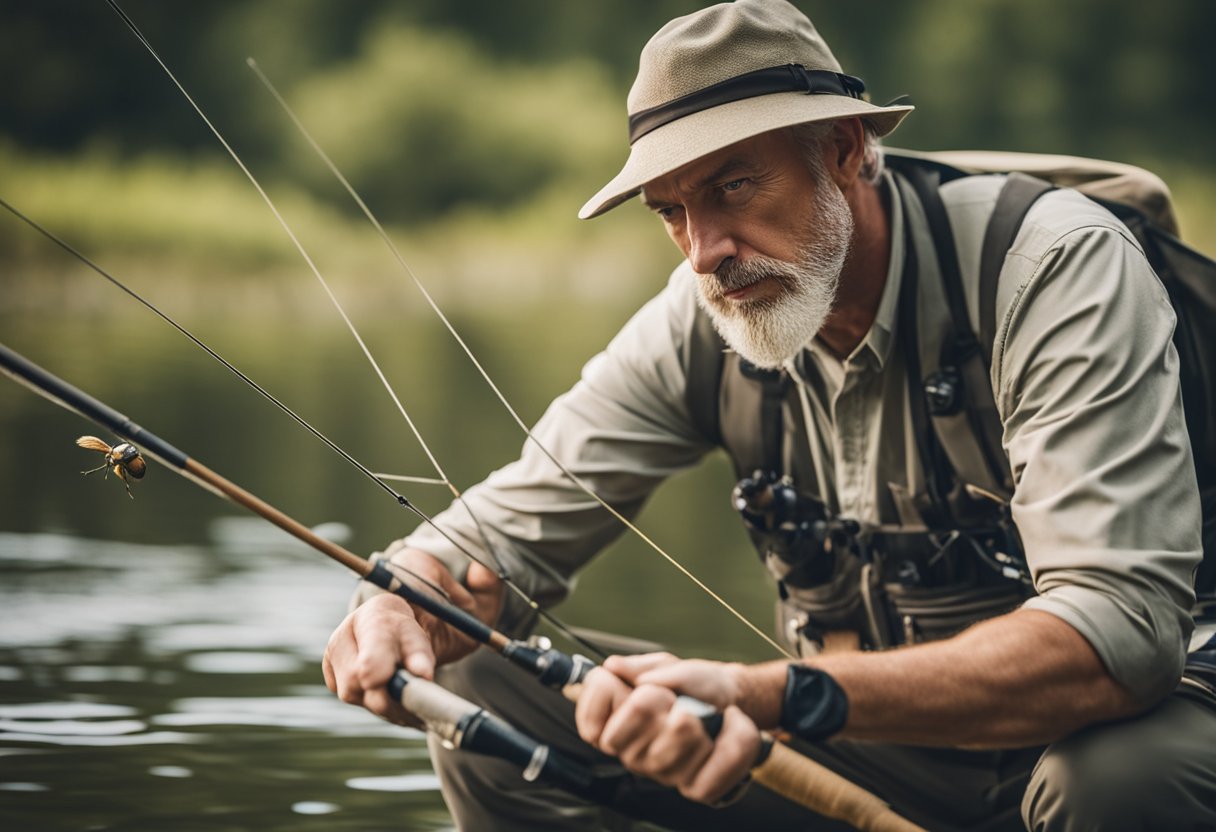
I focus on specific strategies tailored to various fishing conditions. These methods can greatly enhance my chances of success, depending on whether I am targeting saltwater species, salmon, or trout.
Saltwater Fly Fishing
When engaging in saltwater fly fishing, I prioritize using a slick line with a fast sink rate. This helps me present streamers effectively in both shallow and deep water. I employ a strong leader with a suitable tippet to withstand the teeth of saltwater fish.
Welded loops are beneficial for quick line changes, especially when adjusting to different depths or fish moods. I often utilize a shooting line to improve distance and accuracy. Selecting the correct fly pattern can make all the difference, especially when matching local baitfish. My go-to patterns include Clouser minnows and deceivers for optimal success.
Salmon Fly Fishing
Salmon fly fishing requires precision and the right tackle. I use specialized shooting lines designed for salmon to enhance my casting distance and control. A heavier line often helps to punch through wind and reach my target swim.
I adjust my setup based on the current and water depth. Employing a weighted fly technique with appropriate sink rate ensures that my flies get to the fish quickly. Changing heads can improve my presentation, providing different depths and action suitable for salmon hunting.
It’s vital to observe water behavior and adjust my approach accordingly. Matching the hatch plays a crucial role, so I study what salmon are feeding on to select my flies diligently.
Trout Fishing Techniques
In targeting trout, I utilize light and sensitive equipment for better control. A floating line generally works best for surface presentations, while a shooting line is ideal for longer casts.
I focus on different techniques, such as nymphing and using dry flies. When nymphing, I employ a tapered leader to ensure a smooth drift. I also pay attention to my tippet size to avoid spooking cautious trout.
For specific conditions, I mix up my presentations using streamers or dry flies. Each technique offers unique advantages that can entice various trout species. Staying versatile with my approach enhances my overall fishing experience.
