
When it comes to fly fishing, selecting the right loop connectors can significantly enhance your experience on the water. Whether targeting saltwater species or freshwater trout, having reliable connectors is essential for maintaining smooth line transitions and improving your overall technique. I will share insights on various brands and types of loop connectors to help you make informed choices.
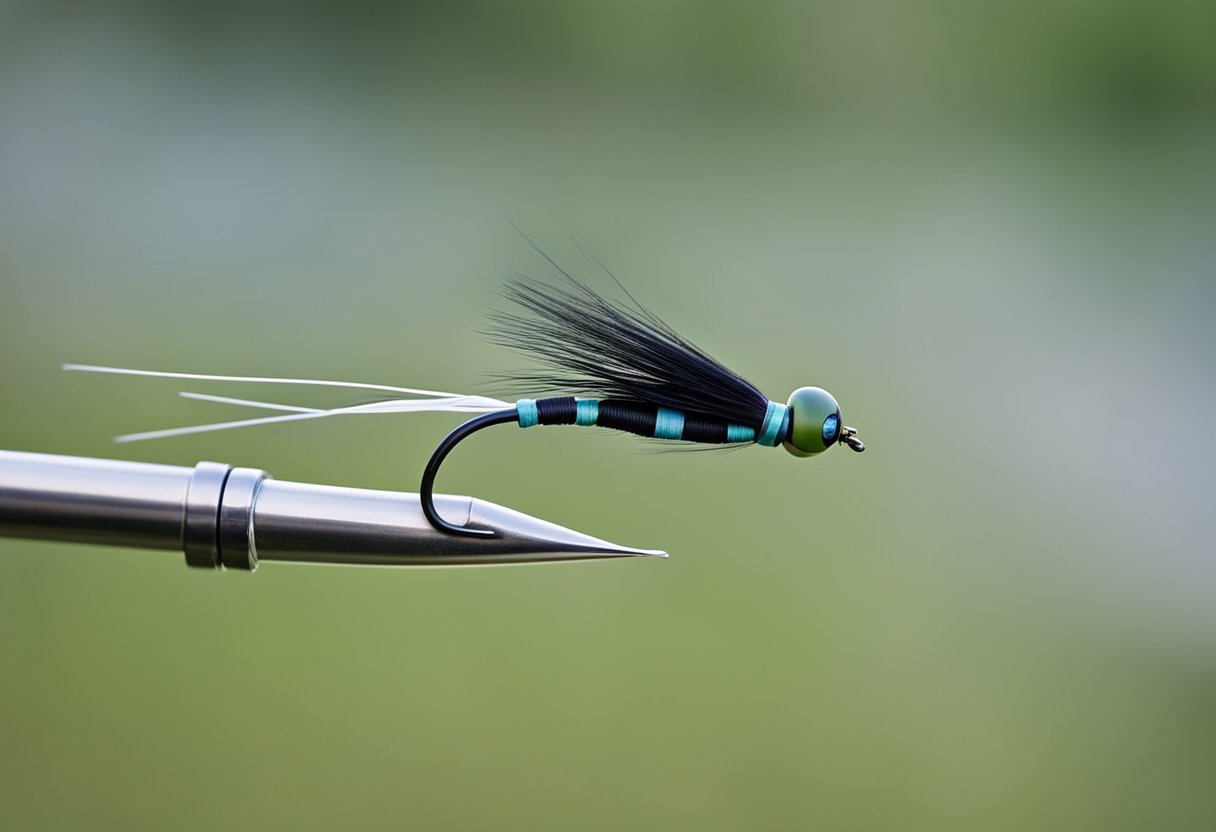
For saltwater fly fishing, durability and strength are paramount. Brands like Airflo and Scientific Anglers offer loop connectors designed to withstand harsh environments and aggressive fish. On the other hand, freshwater anglers can find excellent options from companies like Orvis and Rio, which specialize in connectors that enhance the presentation of smaller flies while targeting trout.
In this article, I will explore the best loop connectors available for different fishing conditions, ensuring that you find the perfect fit for your tackle setup. By understanding the unique features of each connector, I aim to arm you with the knowledge to elevate your fly fishing experience.
Fly Line Fundamentals
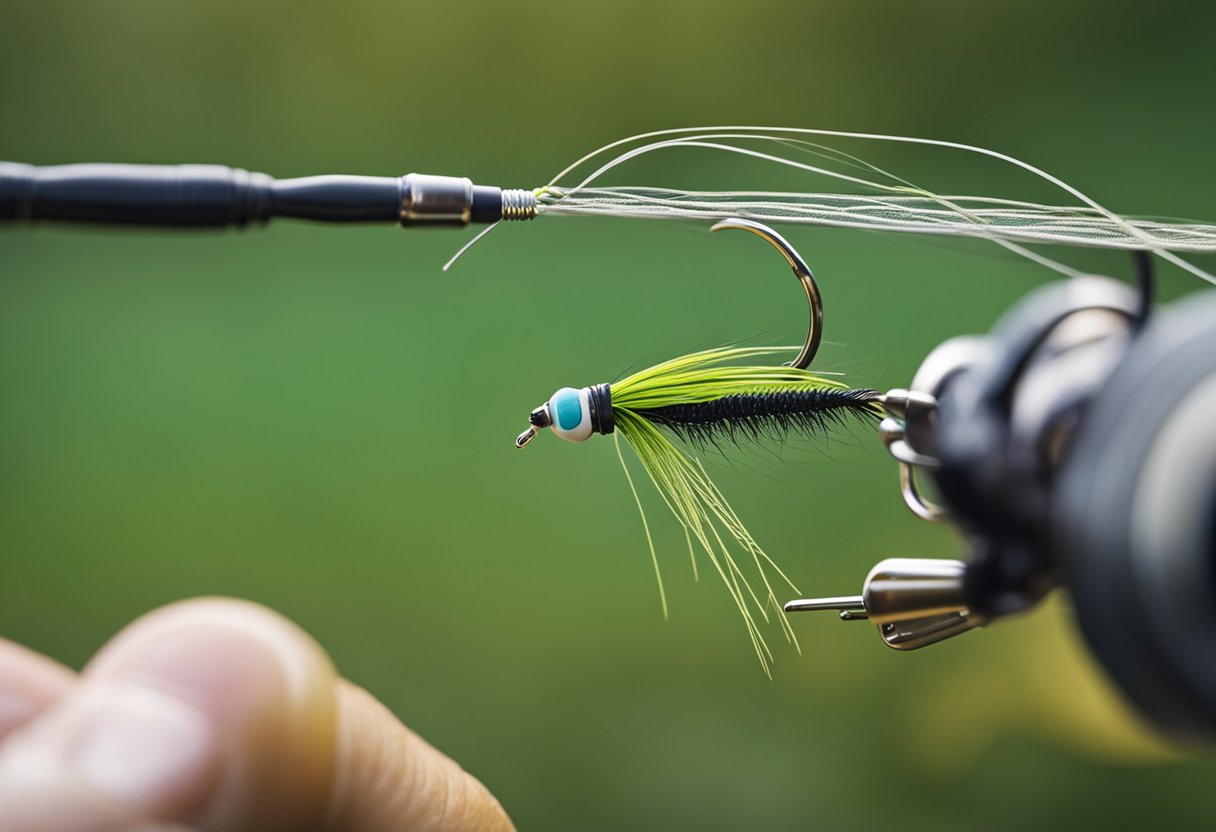
In fly fishing, understanding the components of a fly line system is crucial. Key elements like taper, leader connections, and environmental considerations directly affect casting accuracy and overall fishing success.
Understanding Fly Line Taper
Fly line taper refers to the shape and weight distribution of the line. Common tapers include weight forward, double taper, and level line.
- Weight Forward (WF): Ideal for distance casting, it has more weight at the front. This design allows for quick loading of the rod and is beneficial in windy conditions.
- Double Taper (DT): Its symmetrical design permits a balanced presentation. It performs well for delicate presentations, making it perfect for trout fishing.
- Level Line: This is uniform in diameter and usually used for specialized techniques or specific applications.
Selecting the right taper impacts how easily I can cast and manage my rig.
Fly Line to Leader Connection Options
Connecting my fly line to the leader is essential for a seamless transition. The most common methods include:
- Nail Knot: A solid option for attaching a leader to fly line. This knot maintains line integrity and provides a low-profile connection.
- Loop-to-Loop Connection: This method allows for quick leader changes. A welded loop on the fly line pairs with a loop at the leader’s end for an easy and reliable fit.
- Direct Tie: In some cases, I might directly tie the tippet to the fly line, especially when using a shorter setup.
Each connection method has its advantages, and I choose based on the fishing scenario and ease of use.
Selecting the Right Fly Line for the Environment
Different environments require specific fly lines for optimal performance. Key factors include:
- Freshwater vs. Saltwater: Saltwater lines are designed to withstand harsher conditions and typically feature a more durable coating.
- Temperature: In colder waters, I prefer lines that maintain flexibility. In warmer climates, a stiffer line may work better.
- Casting Distance: For larger bodies of water, I opt for longer lines with weight-forward tapers, while smaller streams benefit from shorter, lightweight lines for precision casts.
Choosing the appropriate fly line enhances my ability to accurately present the fly to the target species.
Loop Connectors and Leader Loops
Loop connectors and leader loops are essential components in fly fishing, impacting casting efficiency and line performance. Understanding their types and how to use them effectively can enhance your fishing experience.
Benefits of Using Loop Connectors
Using loop connectors provides several advantages. First, they allow for quick and easy attachment of tippets to leaders or fly lines. This saves time during fishing sessions and facilitates swift changes in flies.
Additionally, loop connectors help maintain the integrity of your line. A good connector minimizes line twists and tangles, improving casting distance and accuracy. They also ensure a secure connection, reducing the chance of losing a catch due to a failed knot.
Braided Loop Connectors vs. Welded Loops
Braided loop connectors and welded loops are two popular options, each with unique characteristics. Braided loop connectors are often made from durable materials that offer flexibility. Their design allows for smooth line flow, making them suitable for various conditions, especially in freshwater fishing.
On the other hand, welded loops are permanent and offer enhanced strength. They resist abrasion better than braids, which is valuable in saltwater environments where harsh conditions prevail. While braided loops provide versatility, welded loops deliver superior stability.
How to Attach a Loop Connector
Attaching a loop connector requires a careful approach for optimal performance. Start by selecting the appropriate connector for your line type. For braided loop connectors, simply pass your fly line through the connector and ensure it is secure.
For welded loops, I prefer using a nail knot or a loop-to-loop connection. With a nail knot, create wraps around your fly line with the leader and tighten the knot carefully. This ensures a robust connection that stands up to the forces encountered during casting.
Always test the connection before you start fishing to guarantee its reliability. By following these steps, I can maximize the efficiency and durability of my setup.
Specialized Loop Connectors
When selecting loop connectors for fly fishing, specific factors such as target species and fishing conditions play a crucial role. Different environments and fish types require tailored connectors for optimal performance.
Selecting Loop Connectors for Saltwater Fly Fishing
For saltwater fly fishing, I prioritize durability and corrosion resistance. Materials like stainless steel or high-grade nylon are essential. Loop connectors in saltwater settings face harsh conditions, including sand and salt, making robustness vital.
I usually choose connectors rated at 50lb or more to handle larger species like tarpon or bonefish. The added strength ensures I can maintain control when battling big game. Connector designs should also facilitate easy attachment to tapered leaders, providing a seamless transition for line and fly.
Loop Connectors for Trout Fishing
Trout fishing demands a different approach. Here, I focus on lighter connectors since the target fish generally weighs less. I often select connectors rated around 30lb, which is adequate for most freshwater trout species.
In addition, the size of the loop should not impede the delicate presentation I aim for when using lighter tippet materials. My preferred connectors are often minimalistic, enhancing my ability to present my fly naturally without getting noticed by the wary trout.
Assessing Loop Connector Strength for Big Game Species
When pursuing big game species like salmon and bass, strength is non-negotiable. I always assess the material and construction of the loop connectors. Using rated connectors allows me to confidently engage these powerful fish, often exceeding weights of 20 pounds.
I make it a habit to test connectors before heading out. By applying pressure, I ensure they perform under stress. For me, a robust loop connector not only aids in landing fish but also increases overall confidence when targeting larger species in challenging conditions.
