
As an avid fly fisher, my experiences with double taper fly lines have deepened my understanding of effective casting techniques and optimal presentations. Mastering the cast with a double taper line can significantly enhance your ability to present flies delicately to wary trout. This type of line allows for smooth roll casts and precise presentations, perfect for small streams where subtlety is key.
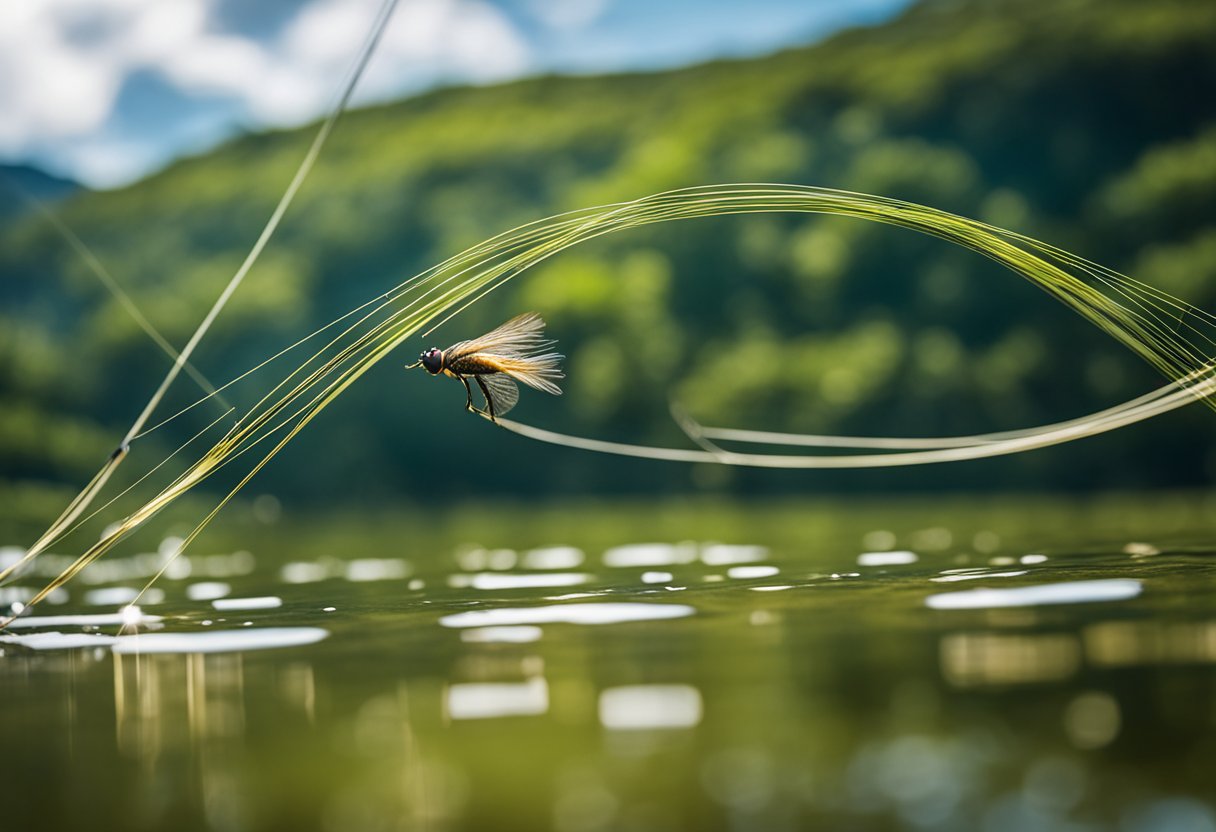
When choosing the best double taper fly line for trout fishing, I consider factors such as taper design and floatation characteristics. Floating double taper lines are particularly advantageous, as they help maintain buoyancy while offering versatility in various fishing scenarios. My favorite options excel in performance and are well-suited for both seasoned anglers and newcomers to the sport.
For small streams, a double taper fly line can make all the difference in delivering an accurate cast without spooking fish. The design of these lines enables gentle landings and excellent line control, essential elements for success in tight conditions. In this guide, I’ll explore how to optimize your casting techniques to make the most of your double taper fly line.
Understanding Fly Lines and Tapers
Fly lines are essential tools in fly fishing that come in various designs, specifically tailored for different fishing environments. I appreciate the nuances of these lines, particularly their tapers, as they influence casting performance and presentation.
Fly Line Taper Basics
Fly line tapers refer to the gradual changes in thickness along the length of the line. Each taper has unique characteristics that affect how the line casts and performs on the water.
The front taper helps in gentle presentations, making it ideal for delicate casts. The rear taper contributes to line control and helps in pick-up and laying down the line.
There are different types of tapers including long belly taper which is designed for controlled long-distance casts, while double taper (DT) lines are especially effective for precision casting at shorter distances.
Understanding these taper features helps me select the right line for varying fishing conditions.
Benefits of Double Taper Lines
Double taper lines present unique advantages, particularly for anglers targeting trout and smaller streams. These lines allow for roll casts and are versatile in presentation styles.
Since DT lines are thicker in the middle and taper both ways, they provide better line weight distribution. This feature enables smoother casts and better control when mending line.
When one end becomes worn or damaged, I can simply reverse the line and utilize the other end, extending the lifespan of my equipment.
In addition, DT lines tend to offer finer presentations, making them well-suited for targeting trout with finesse in clear waters. Overall, the performance advantages of double taper lines enhance my fishing experience significantly.
Casting Techniques with Double Taper Lines
Effective casting techniques are crucial when using double taper fly lines. These lines provide excellent control and accuracy for precise presentations. I’ve found that mastering specific methods enhances both my casting distance and precision, essential for successful fly fishing.
Casting Double Taper Fly Lines
When I cast with a double taper line, I focus on maintaining a smooth stroke. This type of line is designed for delicate presentations. I begin by using a balanced grip on the rod, ensuring that I don’t apply excessive pressure.
My casting motion involves a quick flick of the wrist at the end of the forward and backward strokes. This technique helps load the rod correctly and allows the line to unroll smoothly. I aim to keep my casts low, which enhances my accuracy, especially when targeting specific spots.
For longer distances, I make wider, more deliberate strokes while maintaining control. I also adjust my delivery angle based on the wind conditions and distance to my target. Keeping these elements in mind significantly improves my casting effectiveness with double taper lines.
Advanced Roll Casting Methods
Roll casting is a versatile technique I often use in tight spaces, like brush or small streams. It requires minimal back casting and can be highly effective when needing to reposition my line quickly.
To execute a roll cast, I start by placing the line on the water. I keep the rod low and make a swift lift of the rod, then push it slightly forward to create a loop. This action helps to direct the line towards my target, even with obstacles behind me.
My key focus during this method is to keep the rod tip steady while applying a gradual acceleration. I find it’s important to finish the cast with a firm stop, which allows the line to unroll effectively. This technique provides excellent accuracy and helps extend my casting distance in challenging conditions.
Selecting the Right Double Taper Fly Line
Choosing the appropriate double taper fly line is crucial for maximizing your fishing success. Factors such as target species, water conditions, and the type of presentation desired influence my selection.
Best Double Taper Lines for Trout Fishing
When targeting trout, I often look for lines designed to handle delicate presentations. The following options are among the best I have encountered:
- Rio Gold: Excellent for various conditions, offering smooth casting and great sensitivity.
- S A Amplitude: Provides exceptional performance with a smooth finish for easier casting.
- Orvis Hydros: Known for its versatility, it works well in both lakes and rivers.
These lines help deliver my flies with finesse, ensuring the trout are not spooked by a heavy landing.
Choosing a Line for Small Streams
In small streams, my focus shifts to accuracy and precision. The right line must enable me to cast accurately in tight spaces. I prefer these characteristics:
- Length: Shorter lengths help me manage casts in confined areas.
- Weight: A lighter-weight line enhances control and allows for subtle presentations.
Popular choices include the Rio Suppleflex and Scientific Anglers Mastery, both of which are designed for precision in narrow waters. Their ability to gently lay down flies is critical in these environments.
Considerations for Floating Lines
When selecting a floating double taper line, I consider several factors to enhance my fishing experience. These include:
- Buoyancy: The line should have excellent floating properties for maintaining the fly’s position.
- Taper Design: A double taper helps in delicate presentations while allowing for easy roll casts.
Lines like the Orvis Wonderline and Winston are renowned for their floating capabilities. They allow me to fish dry flies effectively, ensuring my flies sit naturally on the water’s surface.
